
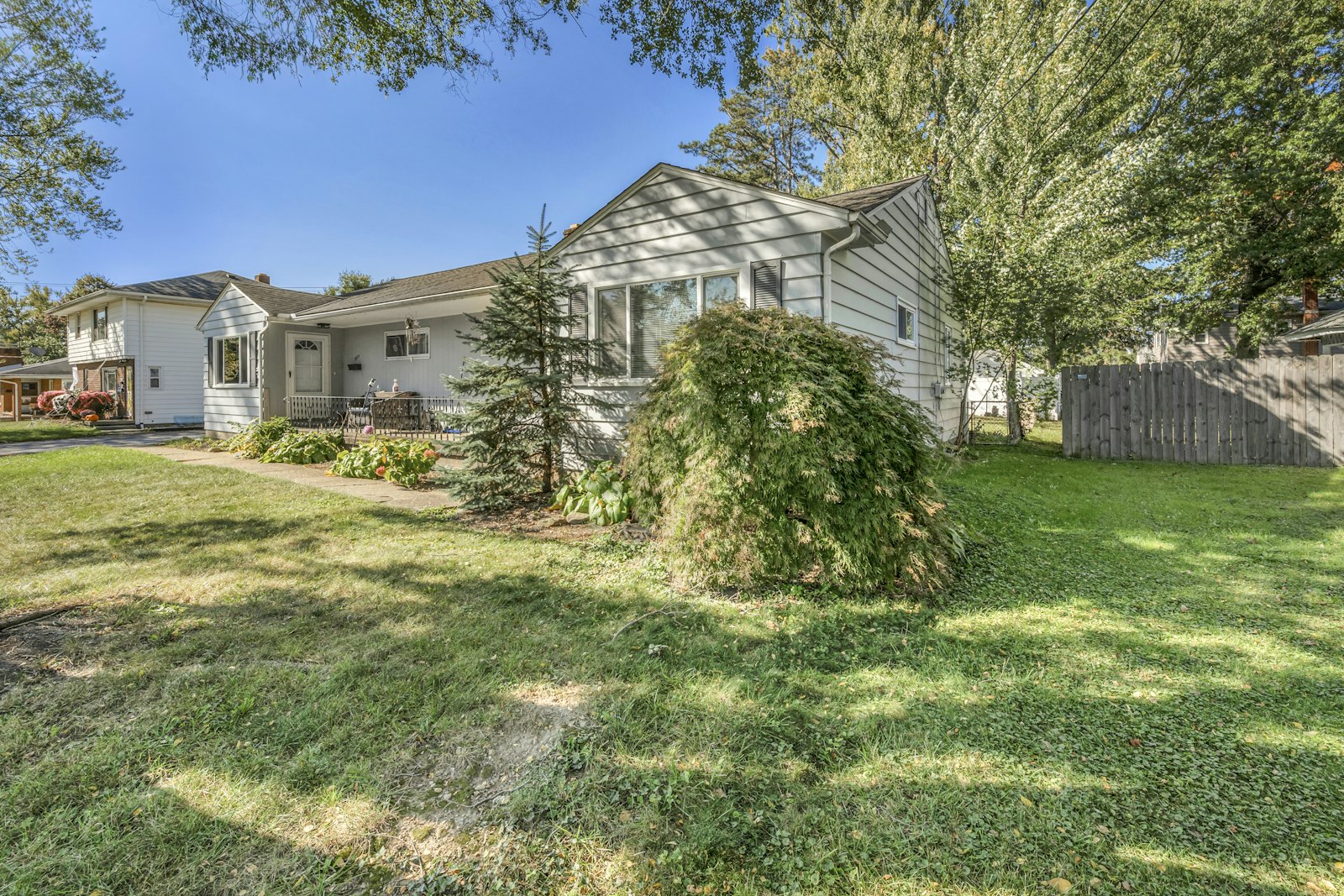
Selling your own house in Ohio is legal, it's doable, and plenty of people pull it off. About 5% of U.S. home sales in 2025 were for sale by owner, according to the National Association of Realtors numbers HomeLight pulled together in its Ohio FSBO guide. That's a small slice, but it's not zero, and a lot of those sellers walked away with an extra 3% of their price in their pocket.
We buy houses in Akron for a living, so you might expect us to tell you not to try this. We're not going to. We'd rather you sell the right way and feel good about it than sell the wrong way to anybody, us included. This is the guide we'd hand a friend. It covers the steps every FSBO guide covers, plus two things most of them skip: what loan your buyer can actually get on your house, and how to talk to buyers without making it weird.
Step 1: Be honest about whether FSBO fits your house
FSBO works best when the house is in good shape, priced right, and in a neighborhood buyers already want. It gets harder when the house needs work, the title is messy (an estate, a divorce, a lien), or you're 400 miles away and can't open the door for a showing.
Ask yourself three questions:
- Can I be available? Buyers call on Tuesday at 6:40 p.m. and want to see it Wednesday. Someone has to answer.
- Can I hear criticism of my kitchen without taking it personally? A buyer will call your 2004 backsplash "dated." They are not wrong. It still hurts.
- Is the house financeable? More on this below, because it matters more than paint color.
If the answer to any of those is "not really," that's fine. A local agent earns their money on exactly those problems. Our friend Matthew at Bednarik Real Estate lists houses all over Summit County, and if the house needs more work than you want to do, our guide to selling a house as-is in Akron walks through that route.
Step 2: Price it off real sales, not your neighbor's opinion
Every seller has a number in their head. Usually it came from Zillow, a coworker, or the fact that they put in a new furnace. Buyers' lenders don't care about any of those. They care about recent comparable sales.
- Pull sold homes (not active listings) within about half a mile, sold in the last three to six months.
- Match bedrooms, bathrooms, square footage, and style as closely as you can. A brick ranch and a 1920s colonial aren't comps just because they share a street.
- Adjust for condition. If the comp had a new roof and yours has a roof with "character," your number is lower.
- Spend $350 to $500 on a pre-listing appraisal if you're unsure. It's cheap insurance against being off by $20,000 in either direction.
Overpricing is the classic FSBO mistake. The house sits, buyers start wondering what's wrong with it, and you end up cutting the price later than you should have. Our Akron housing market statistics page is a good gut check on where prices and days on market sit right now.
Step 3: Know what loan your buyer can get on your house
This is the step nobody talks about, and it decides who can buy your house and for how much.
Most buyers aren't paying cash. They're getting a loan, and every loan type has its own rules about the property itself. A house that can only be bought with cash has a much smaller pool of buyers than one that qualifies for every loan out there. Before you price it or write the listing, figure out which bucket you're in.
Single-family houses
- Conventional loans are the most flexible on condition, but the appraisal still has to come in at the price.
- FHA and VA loans come with stricter property standards. Peeling paint on a pre-1978 house, a missing handrail, a roof near the end of its life, or a furnace that doesn't run can stall the deal until it's fixed. If your house has a few of these, either fix them before listing or be ready to fix them before closing.
- Cash buyers don't care about any of that, but they price the repairs in. We explain exactly how in how cash home buyers work in Ohio.
Two-family houses (doubles and duplexes)
Akron has a lot of doubles, and selling one is a different game. You have two completely different buyers, and you should write your listing for both.
- Owner-occupants. Someone who will live in one side and rent the other. This is called house hacking, and it's one of the best ways to get into real estate, period. An owner-occupant can often buy a 2-unit with FHA (3.5% down), VA (0% down for eligible veterans), or a conventional loan with as little as 5% down. Many lenders will count a portion of the rent from the other unit toward the buyer's income. Your listing should say what the other side rents for, or what it could rent for, because that number helps them qualify.
- Investors using DSCR loans. A DSCR (debt service coverage ratio) loan qualifies the property, not the person. The lender compares the rent to the monthly payment, including taxes and insurance. If the rent covers the payment, usually by about 1.0 to 1.25 times, the loan works. These buyers typically put 20% to 25% down. If you want them looking at your double, give them a rent roll: current rents, lease end dates, who pays which utilities, and deposits held.
Here's why this matters. If your double rents for $1,800 combined and an investor's payment at your asking price would be $2,100, the DSCR math doesn't work, and they'll offer less or pass. If you know that going in, you can price to the buyers whose math does work. We walk through how DSCR lenders look at a deal in our post on buying with cash and refinancing with a DSCR loan.
Simple move: call one local loan officer before you list. Ask, "If someone wanted to buy this house, what loans would work, and what would the payment look like at my price?" It's a free 15-minute call and it will make you smarter than most of the agents your buyers bring.
Step 4: Get the house ready (without remodeling it)
You are not trying to win a design award. You're trying to remove reasons for a buyer to say no.
- Declutter until it feels a little empty. Then remove one more box.
- Fix the small stuff a buyer will notice in the first five minutes: dripping faucets, burned-out bulbs, doors that stick, the outlet cover that's been held on with hope.
- Paint loud rooms a neutral color. The purple bedroom was a great choice for you. It's a $400 discount for everyone else.
- Deep clean, including windows and the inside of the oven. Buyers open the oven. Nobody knows why.
- Curb appeal: mow, edge, mulch, and pressure-wash the walk. In an Akron November, at least rake the leaves.
- Check the basement for water. A small pool of water could be clogged gutters or could be something more serious. Either way, a buyer will find it, so find it first.
Step 5: Hire a pro for photos. Seriously.
Your photos are your showing before the showing. Every buyer scrolls through them on their phone before they decide whether your house is worth a Saturday. Dark, crooked phone pictures of a toilet with the seat up will cost you more than a photographer ever will.
For Akron and the rest of Northeast Ohio, we like TourDSpace. They do real estate photography, drone shots, twilight photos, 3D virtual tours, and floor plans. Plan on roughly $300 to $500 depending on the package and the size of the house. A floor plan and a 3D tour are especially worth it for FSBO, because they answer the "how big is the second bedroom really?" question before anyone has to call you.
A few tips for shoot day:
- Turn on every light, open every blind.
- Hide the cars, trash cans, pet bowls, and the stack of mail on the counter.
- Book a morning or late afternoon slot so the light works for the front of the house.
Step 6: Write the listing and get it in front of buyers
Write the listing like you're describing the house to a friend who's never seen it. Lead with what makes it good: the yard, the new roof, the walk to the park. Then the facts: year built, square footage, lot size, bedrooms, baths, utilities, and the age of the big-ticket items (roof, furnace, water heater). For a double, add the rent roll.
Where to list:
- A flat-fee MLS listing. For a few hundred dollars, a broker puts your house on the MLS, which feeds Zillow, Realtor.com, Redfin and every agent's search. This is where most buyers are, so it's usually worth it.
- Zillow's free FSBO listing. Better than nothing, but it doesn't reach agents the way the MLS does.
- A yard sign with a phone number big enough to read from a moving car.
- Facebook Marketplace, Nextdoor, and local groups. Fine for buzz. Expect some strange messages.
Step 7: Decide up front how you'll handle buyer's agents
Most buyers will show up with an agent. Since the 2024 NAR settlement, buyer's agents sign a written agreement with their buyer that spells out how they get paid, and that pay is negotiable. Some buyers will ask you to cover it. Some won't.
Decide your answer before the first call. You might say, "I'm open to contributing toward your buyer's agent fee as part of the offer." That keeps agents willing to show your house without promising anything. Then compare offers on what you actually net, not the headline price.
Step 8: Talk to buyers like people
This is the part that scares people the most, and it shouldn't. Talking to a buyer is no different from talking to anyone else. Be friendly, be honest, and answer the question they asked.
The one rule we'd give anyone: over-communicating isn't a bad thing. Most deals don't fall apart because of price. They fall apart because somebody went quiet and the other side started imagining the worst.
- Answer fast. A same-day reply tells a buyer you're serious and the house is real.
- Tell them the bad news first. If the basement gets damp in spring, say so before the inspector does. You'll be amazed how much trust that buys you.
- Put it in writing. After every phone call, send a quick text or email: "Great talking to you. Just confirming, the inspection is Thursday at 10 and the washer and dryer stay." Nobody remembers phone calls the same way.
- Keep everyone updated after the contract is signed. Appraisal scheduled? Tell them. Title found an old lien? Tell them, and tell them what you're doing about it. Silence is where deals go to die.
- Let them talk during showings. Point out the new furnace, then go stand in the yard. Buyers need room to say "I could put a desk here" out loud.
Step 9: Vet offers like a lender would
The highest offer isn't always the best one. Look at:
- Financing. Ask for a pre-approval letter, not a pre-qualification. Then call the loan officer and ask if they've seen the buyer's income documents. Cash buyers should send proof of funds.
- The loan type, and whether your house can pass that loan's appraisal (see Step 3).
- Contingencies. Inspection, appraisal, financing, and whether the buyer has to sell their own house first.
- Earnest money. More money down usually means a more committed buyer. It should be held by the title company, not handed to you.
- The closing date and whether it works with your next move.
Step 10: Handle the Ohio paperwork right
This is where FSBO sellers can get into real trouble, so take it slow.
- Residential Property Disclosure Form. Ohio Revised Code 5302.30 requires it on most sales of one-to-four-family homes. You disclose what you actually know: leaks, roof, foundation, sewer, termites, code violations. Give it to the buyer before they sign the purchase contract. If they get it after, Ohio law gives them a short window to back out of the deal.
- Lead paint. If the house was built before 1978 (which describes most of Akron), federal law requires a lead-based paint disclosure, the EPA pamphlet, and a chance for the buyer to test.
- The purchase contract. Don't download a random form from the internet. Have a real estate attorney draft or review it. It's usually a few hundred dollars, and it's the cheapest money in this whole list.
- Title company. In Ohio, a title company usually runs the closing, holds the earnest money, searches for liens, and handles the deed. Pick one early.
- Conveyance fee. The Summit County Fiscal Office charges $4 per $1,000 of the sale price, customarily paid by the seller. On a $200,000 house, that's $800.
- Property taxes. Ohio taxes are paid in arrears, so at closing you'll typically credit the buyer for taxes owed for the time you lived there. Don't be surprised by that line on the settlement statement.
- Point-of-sale inspections. Akron doesn't require one for a single-family house, but some Summit County suburbs do. Call your city before you list.
What FSBO actually costs
Rough numbers, so you can compare apples to apples against a listing agent:
- Pre-listing appraisal: $350 to $500
- Professional photos, tour and floor plan: $300 to $500
- Flat-fee MLS listing: a few hundred dollars
- Attorney review: a few hundred dollars
- Yard sign: $25 to $50
- Buyer's agent fee, if you agree to pay it: negotiable
- Title, conveyance fee, and normal seller closing costs: you pay these either way
On a $200,000 house, a FSBO seller might spend $1,500 to $2,000 to save something like $6,000 in listing commission. That's real money. It also comes with real work. Just go in knowing both.
And if it doesn't sell?
Sometimes the house needs more than a coat of paint, or life doesn't leave time for showings. That's not a failure. You have options: list with an agent, sell as-is to a cash buyer, or, if it's a rental, hold it and lease it out. (We wrote a whole separate guide on whether to rent your house or sell it.)
If you want a cash number to compare against your FSBO plan, call or text us at (330) 661-9885. No pressure either way. If selling it yourself gets you more money, we'll tell you so. And if you ever want to know what happens to a house after an investor buys it, here's the honest answer.
FAQ
Do I need a lawyer to sell my house myself in Ohio?
Ohio doesn't require one statewide. We'd still hire one to draft or review the purchase contract. It's a few hundred dollars and it protects the biggest transaction most people ever make.
Do I have to fill out a disclosure form if I sell FSBO?
Yes. Ohio's Residential Property Disclosure Form applies to most one-to-four-family sales whether or not an agent is involved. Give it to the buyer before they sign the contract.
Can a buyer use an FHA loan on a duplex?
Yes, if they'll live in one of the units. FHA allows owner-occupants to buy two-to-four-unit homes with as little as 3.5% down, as long as the property meets FHA's condition standards.
What is a DSCR loan?
A loan for investment properties that qualifies based on the property's rent rather than the borrower's personal income. If the rent covers the monthly payment by enough, the loan works.
How much does real estate photography cost in Akron?
Plan on roughly $300 to $500 for a solid package with photos and a 3D tour or floor plan. We like TourDSpace for Northeast Ohio.