
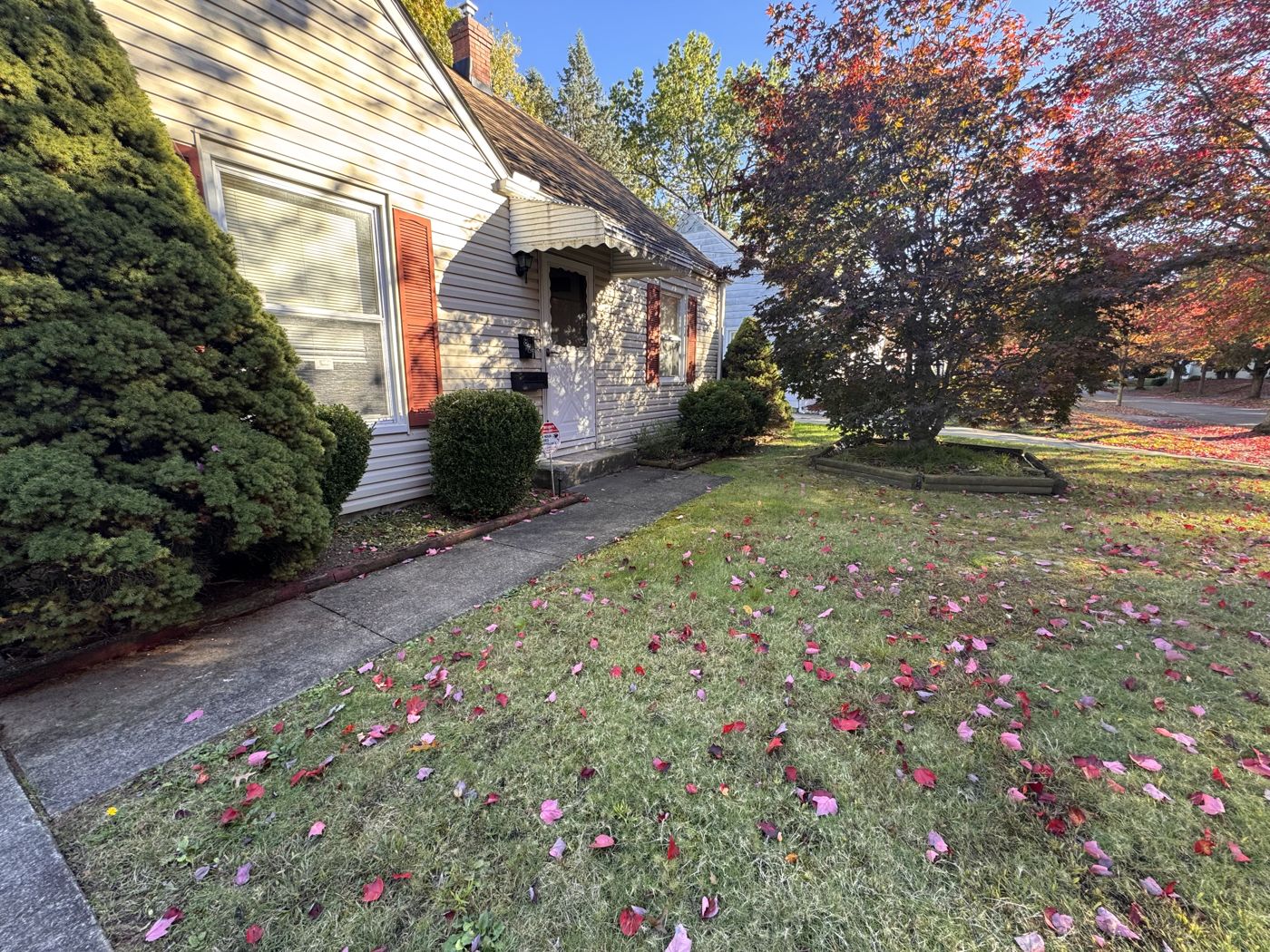
You’ve got a house in Akron that needs work. Maybe a lot of work. And somewhere between the furnace quote and the third contractor who didn’t show up, you started wondering whether you could just sell the thing the way it sits.
You can. People do it every week in Summit County. But “as-is” gets thrown around loosely, and most of what sellers read about it online is either a sales pitch dressed up as advice or a story about someone’s cousin who got robbed. This is the plain version, from two brothers who buy as-is houses in Akron and keep them.
What “as-is” means in Ohio, legally
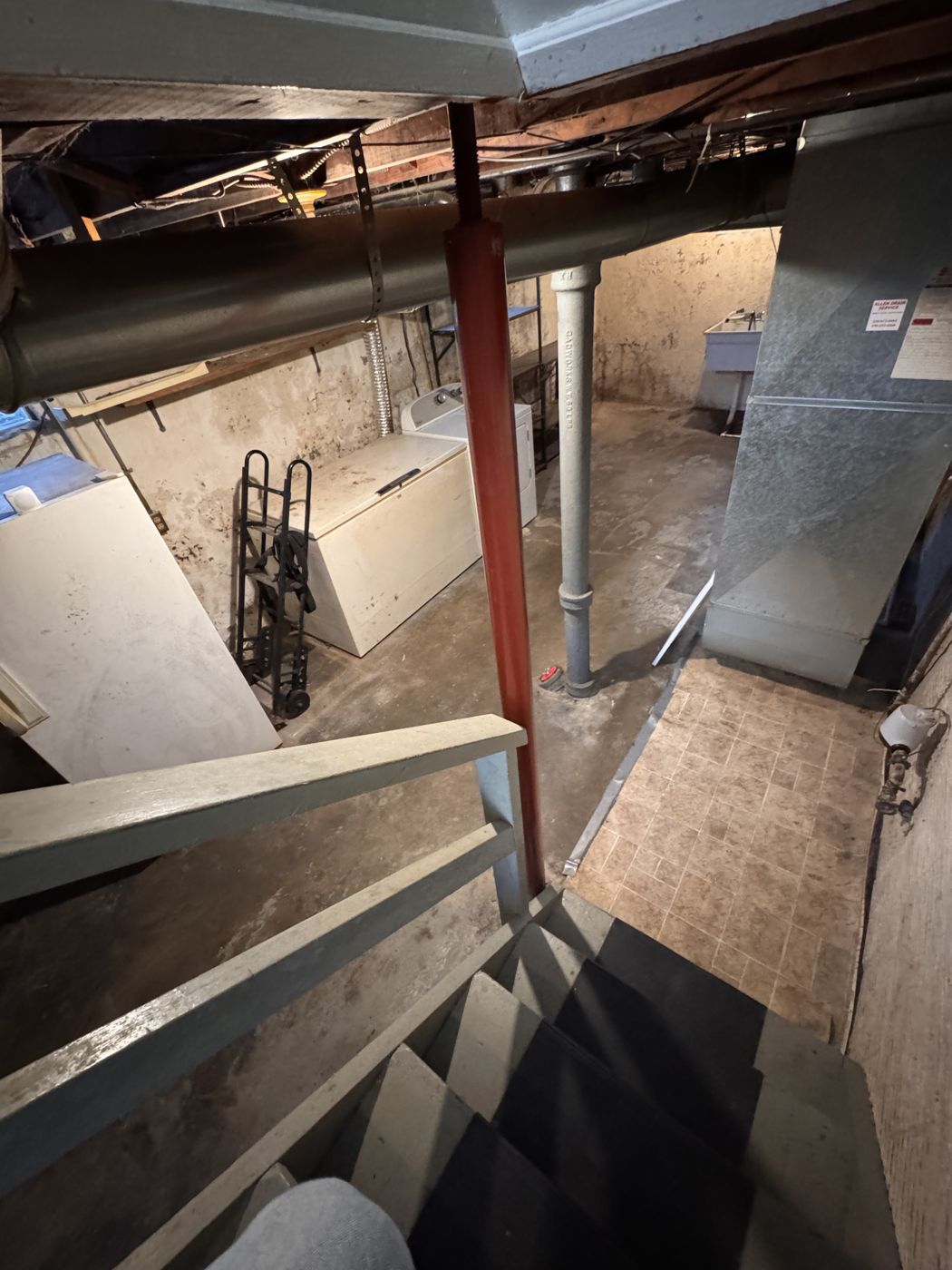
As-is means one thing in an Ohio purchase contract: you are not making repairs and you are not giving credits for the condition of the house. The buyer takes it in whatever shape it’s in on closing day. The cracked driveway, the 1978 furnace, the thing in the basement, all of it.
Here is what as-is does not mean:
It doesn’t mean you can stay quiet about problems. Ohio law (Revised Code 5302.30) requires a Residential Property Disclosure Form on nearly every sale of a one-to-four-family home, as-is or not. If you know the roof leaks, you check the box that says the roof leaks. As-is protects you from having to fix it. It does not protect you if you hid it and the buyer finds out later. Sellers to investors sometimes skip the form by agreement, but the honest answer is still the safe one.
It doesn’t mean no inspection. A buyer can still inspect. The difference is what happens after. A conventional buyer uses the inspection to come back with a repair list or a price cut. A cash buyer uses it to confirm their own repair estimate. If the number holds, the deal holds.
It doesn’t mean the buyer can’t walk. Most as-is contracts still have an inspection period, usually seven to fourteen days. That’s normal. What’s not normal is a 45-day inspection period, which usually means the “buyer” is shopping your contract to other investors. More on that below.
Who buys as-is houses in Akron
Three kinds of buyers show up for a house that needs work, and the offer depends a lot on which one you’re talking to.
Regular buyers with a mortgage. Rare on a true as-is house. A lender’s appraiser has to sign off on the condition, and an FHA appraiser will flag peeling paint on a 1920s bungalow in Kenmore, let alone a roof with daylight coming through it. If the house is mostly fine and just dated, you might get one. If it needs real work, you won’t.
Flippers. They buy, renovate in 90 days, and resell at retail. They price the house off what it will sell for after repairs, minus repairs, minus a margin big enough to cover a second set of closing costs and commissions on the resale. That second sale is why flipper offers are usually the lowest of the three.
Buy-and-hold investors. They renovate and keep the house as a rental. Same math, but there’s no resale to pay for, so the number can be a little better. This is what we do. Our name stays on the deed after closing, which means we’re going to be your old neighbors’ new neighbor for a long time. That changes how carefully we do the work.
What you’ll actually get: the math
Every as-is buyer in Akron uses some version of the same formula. No secret handshake:
What the house would sell for fixed up, minus the cost to fix it, minus the buyer’s margin and costs.
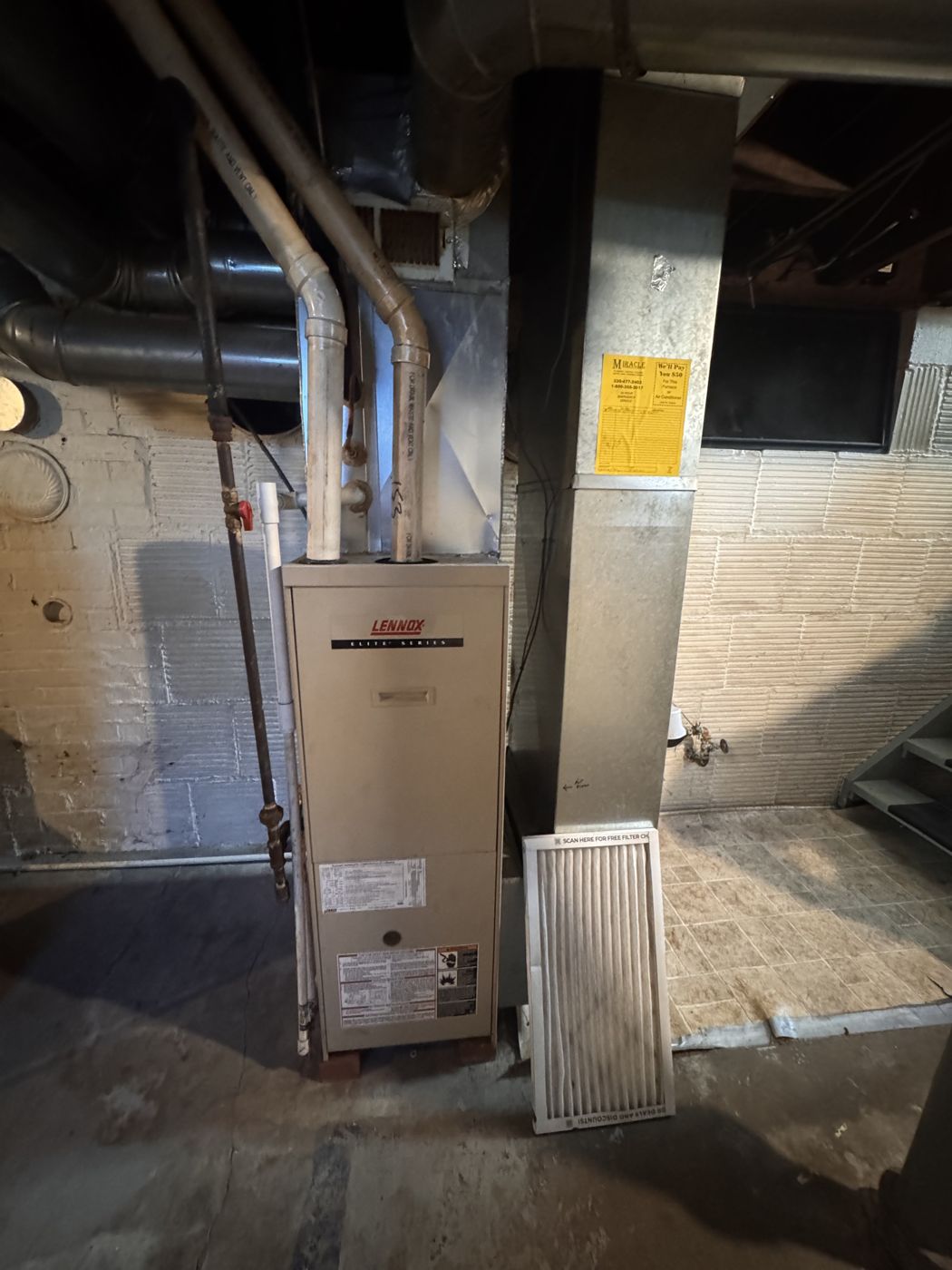
Let’s run a real one. A three-bedroom colonial in Firestone Park, 1,300 square feet, would sell for about $145,000 renovated. Here’s what it needs:
| Item | Cost |
|---|---|
| Roof (two layers, some decking) | $11,000 |
| Furnace and AC | $7,500 |
| Kitchen, nothing fancy | $14,000 |
| Bathroom | $7,000 |
| Electrical (knob and tube in the attic, surprise) | $5,500 |
| Paint, floors, doors, the hundred small things | $9,000 |
| Basement: there’s a small pool of water, could be clogged gutters, could be something we don’t know about yet | $250 to $9,000 |
| Repairs total | $54,000 to $63,000 |
Add holding costs while the work gets done (taxes, insurance, utilities, interest on the money for four or five months), closing costs on the purchase, and the margin that makes it worth doing at all. A real cash offer on that house lands somewhere around $55,000 to $65,000.
That’s a long way from $145,000, and this is the moment sellers feel like they’re getting robbed. So compare it to the alternative honestly:
| Sell as-is for cash | Fix it and list it | |
|---|---|---|
| Sale price | $60,000 | $145,000 |
| Repairs | $0 | $58,000 |
| Months of taxes, insurance, utilities | $0 | $4,500 |
| Agent commission (5%) | $0 | $7,250 |
| Seller closing costs | $0 | $2,500 |
| Buyer’s post-inspection concession | $0 | $3,000 (optimistic) |
| Net to you | $60,000 | $69,750 |
| Time | 3 weeks | 5 to 7 months |
| Your weekends | Yours | Gone |
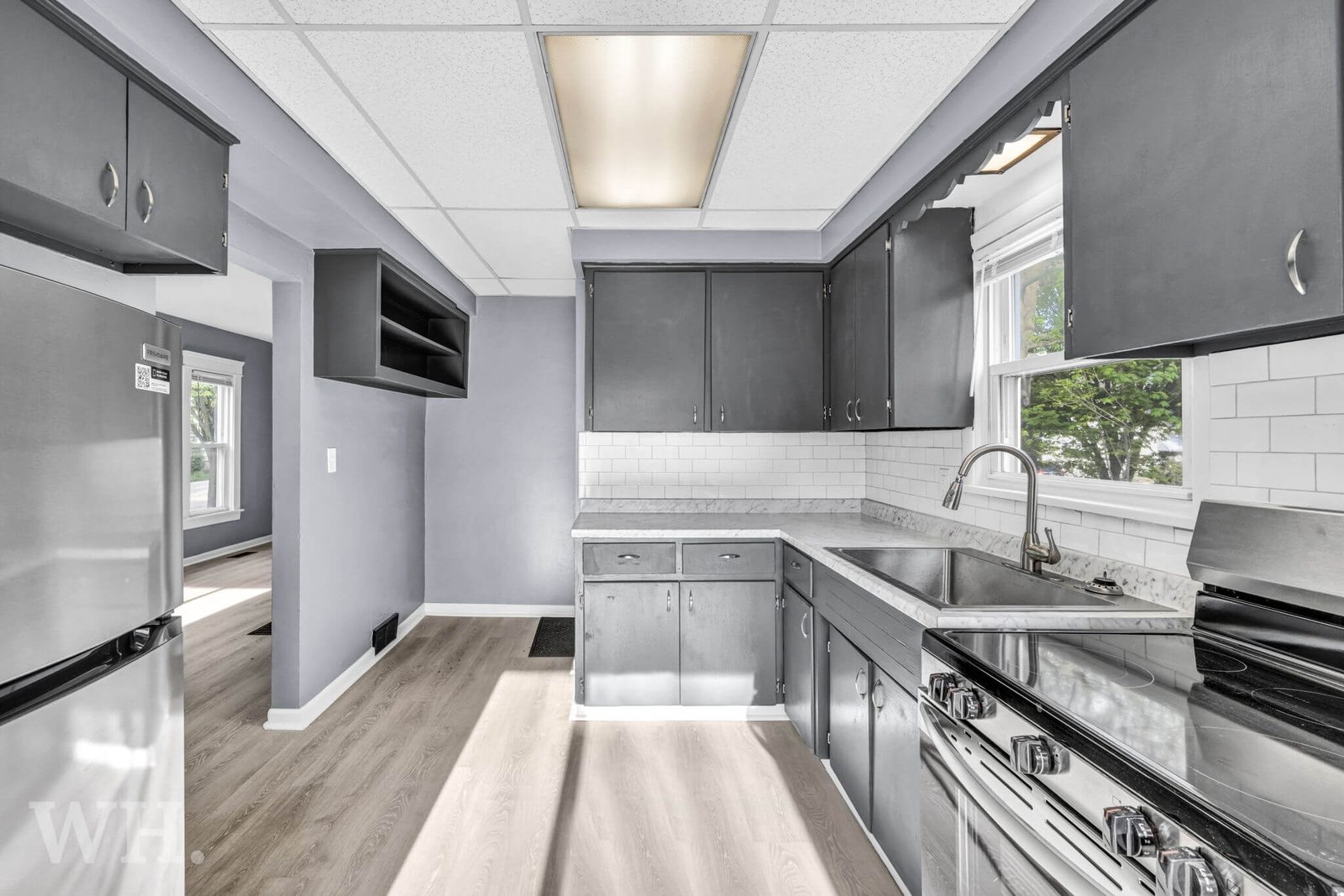
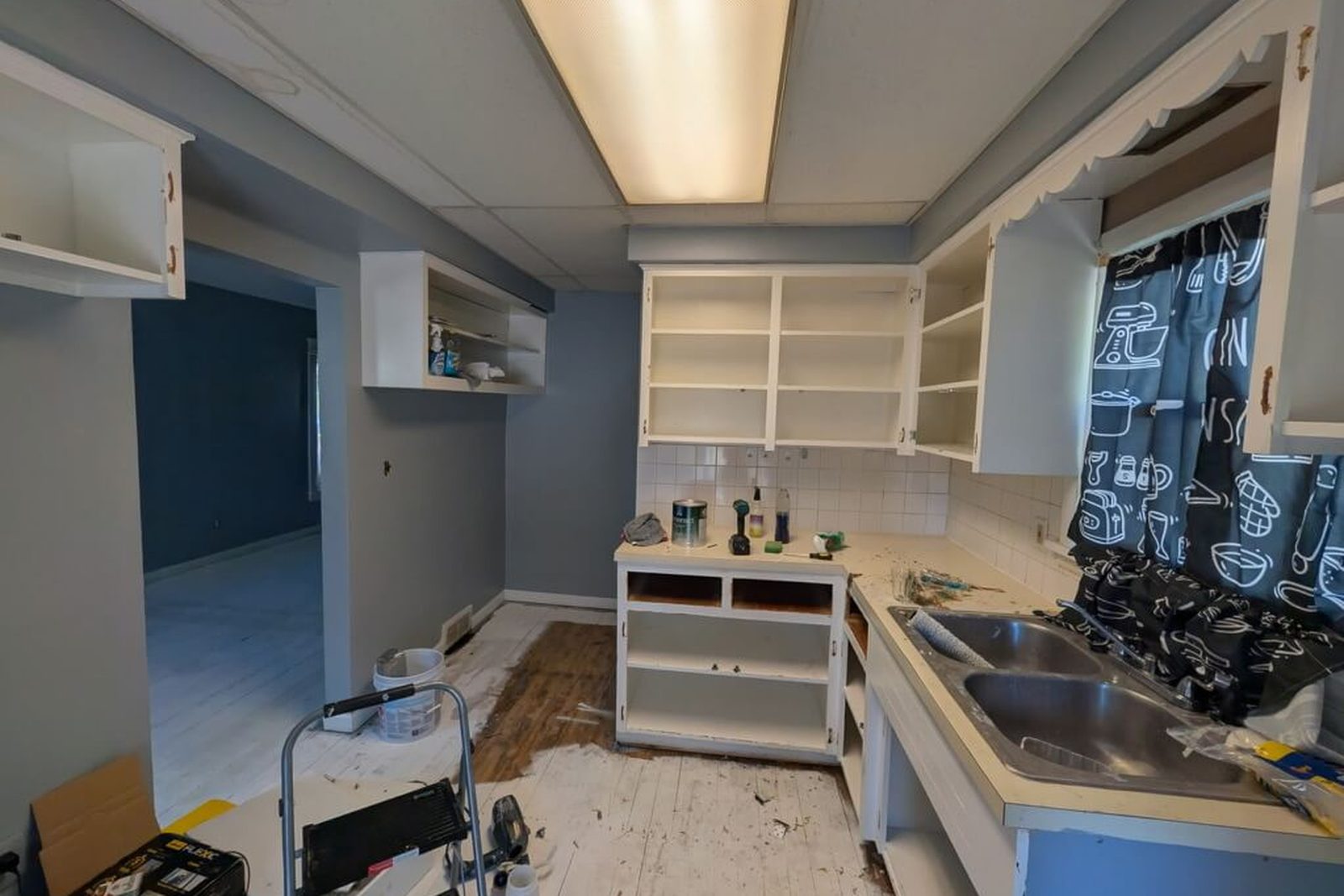 BeforeAfter
Same kitchen, same angle. Drag the handle. The cabinets stayed; everything else is about $14,000 and three weeks.
Ten thousand dollars is real money. It is also the price of six months managing a roofer, an HVAC guy, an electrician, and a kitchen install while you also have a job, on a house you may not even live near. Some people should absolutely take that deal. Some people should absolutely not.
The numbers change with the house. A house in West Akron with good bones and an ugly kitchen might net you more by listing. A house in Summit Lake with a bad foundation might not be listable at all. The formula is the same; the inputs are what matter.
The Summit County specifics nobody else mentions
Generic “sell as-is” articles skip everything that actually trips people up here.
Point-of-sale inspections. Akron does not require a city inspection to sell a single-family house. Several Summit County suburbs do, and the rules are different in each one. Cuyahoga Falls requires a point-of-sale inspection on residential transfers, with a list of required corrections. Barberton and Stow have their own programs. Tallmadge and Norton don’t. If your house is in a point-of-sale city, a cash buyer will usually take on the inspection and the corrections after closing through the city’s escrow or a repair agreement, so you’re not stuck fixing things to sell as-is. Ask the buyer how they handle it before you sign anything, and ask the city what applies to your address.
Rental registration. If the house has been a rental, Akron requires it to be registered with the city, and the status comes up at closing. Not a dealbreaker. Just paperwork.
Delinquent taxes, water bills, and liens. Summit County Fiscal Office tax debt, Akron water and sewer balances, and code enforcement or demolition liens all get paid from the proceeds at closing by the title company. You do not have to clear them first, and you do not have to have cash to do it. If the liens are bigger than the house is worth, that’s a different conversation (and we’ve had it with sellers more than once).
Condemnation and code orders. A house with an Akron Housing Compliance order to repair or a condemnation notice can still be sold as-is. The order transfers with the property. Serious buyers deal with Housing Compliance regularly and know the extension process. Someone who seems surprised by the notice is not a serious buyer.
Probate and inherited houses. If the house is still in a parent’s name, the sale has to wait for either a transfer-on-death affidavit, survivorship, or Summit County Probate Court appointing someone with authority to sign. As-is buyers wait on probate all the time. Just don’t expect a two-week close on a house that’s still in an estate. We wrote a separate guide on selling an inherited house in Akron.
Title companies. An as-is cash sale in Ohio still closes at a title company with title insurance. If a buyer suggests closing “at the kitchen table” with a notary, that’s your cue to leave.
How to tell a real buyer from a yard sign
The as-is market in Akron has real companies in it, and it has people with a magnetic truck sign and a Gmail address. Filters that work:
- Get more than one offer. Two cash offers and one listing agent’s opinion tell you where the real number is. Anyone who pressures you to decide before you can get a second opinion is telling you something.
- Never pay anything to get an offer. No application fee, no appraisal fee, no “processing.” Ever.
- Ask what they bought last. A real buyer can name an address they closed on in the last six months. Check it on the Summit County Fiscal Office site. If the deed doesn’t say their company, they’re a wholesaler planning to sell your contract to someone else and collect a fee in the middle.
- Read for an assignment clause. “Buyer may assign this contract” means the person in front of you isn’t the one buying your house.
- Watch the inspection period. Seven to fourteen days is normal. Thirty to forty-five days means they’re shopping it.
- A number over the phone is not an offer. Anyone who gives you a price without seeing the house will change it after they see the house, and usually on the day you were supposed to close.
- Proof of funds. Ask for a bank letter. Real buyers have one ready.
When as-is is the wrong move
We say this to sellers on the phone every week, so we’ll say it here. If the house just needs paint and carpet and the systems work, list it. A good Akron agent will get you retail minus commissions, and that beats any cash offer. If you have the cash, the time, and a crew you trust, renovate and list. If the house is safe to sit and you’re in no hurry, wait, the market isn’t going anywhere.
As-is makes sense when the repairs are bigger than your budget or your patience, when the house is inherited and the family wants out, when you’re behind on the mortgage or the taxes and the clock is running, when you’ve got tenants you can’t get out, or when you simply want it off your plate this month and are willing to pay for that.
Frequently asked questions
How fast can an as-is sale close in Akron? Two to three weeks is typical once the title work clears. Faster is possible if the title is clean and there’s no probate. Slower if there are liens to pay off or an estate involved.
Do I have to clean the house out? No. Take what you want and leave the rest. Most as-is buyers would rather you leave the furniture than spend three weekends hauling it to the curb.
Can I sell as-is if I’m behind on the mortgage? Yes, as long as the sale price covers the payoff plus closing costs. If it doesn’t, you’re in short-sale territory, which takes the lender’s approval and a lot more time. If you’ve already received a foreclosure notice in Summit County, the timeline matters, so don’t wait.
What if the house has tenants? It can still sell as-is. The lease transfers to the buyer. A buy-and-hold investor often prefers an occupied house; a flipper usually doesn’t.
Will I get a fair price? You’ll get a fair price for an as-is sale, which is lower than a fair price for a renovated house. Those are two different products. The question is whether the difference is worth the money, time, and risk you’d spend getting from one to the other.
Do I need an agent to sell as-is? No. Cash sales to investors are usually direct. You can have an attorney review the contract for a couple hundred dollars, and if you’ve never done this, you should.
Is there a fee? Not from a real buyer. The offer is the number you walk away with, less any mortgage payoff or liens. If someone wants a fee, they’re not the buyer.
That’s the honest version. If you want to know what a buy-and-hold buyer would actually pay for your house in Akron, Cuyahoga Falls, or anywhere in Summit County, we’ll walk through it with you and give you a real number. No fee, no pressure, and if listing it is the better move for you, we’ll say so.