
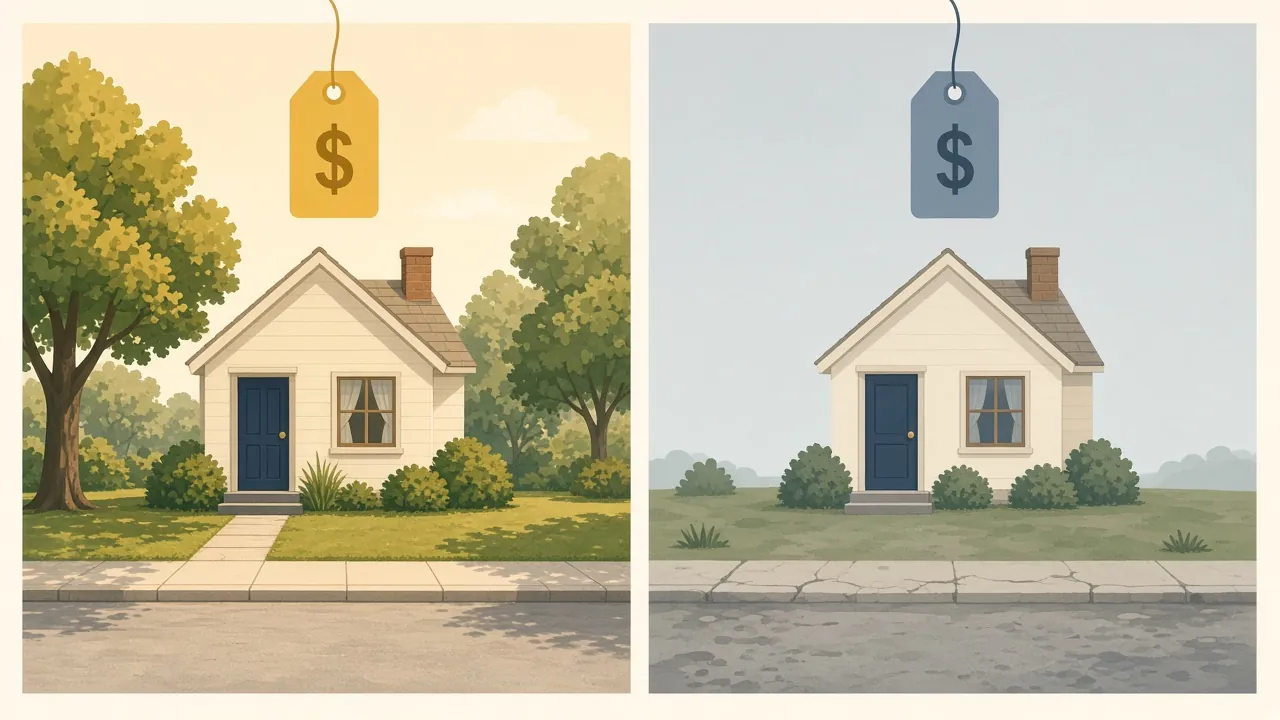
Two houses. Same 1920s bungalow. Same three bedrooms, same one bath, same tired kitchen. One gets an offer $20,000 higher than the other.
Nobody's playing favorites. The difference is usually the block, not the house. A house is the part you can renovate. The block is the part you're stuck with, and buyers know it.
What buyers look at before they ever walk inside
Whether it's a family buying with a mortgage or a cash buyer like us, most people size up the street first. Here's what moves the number.
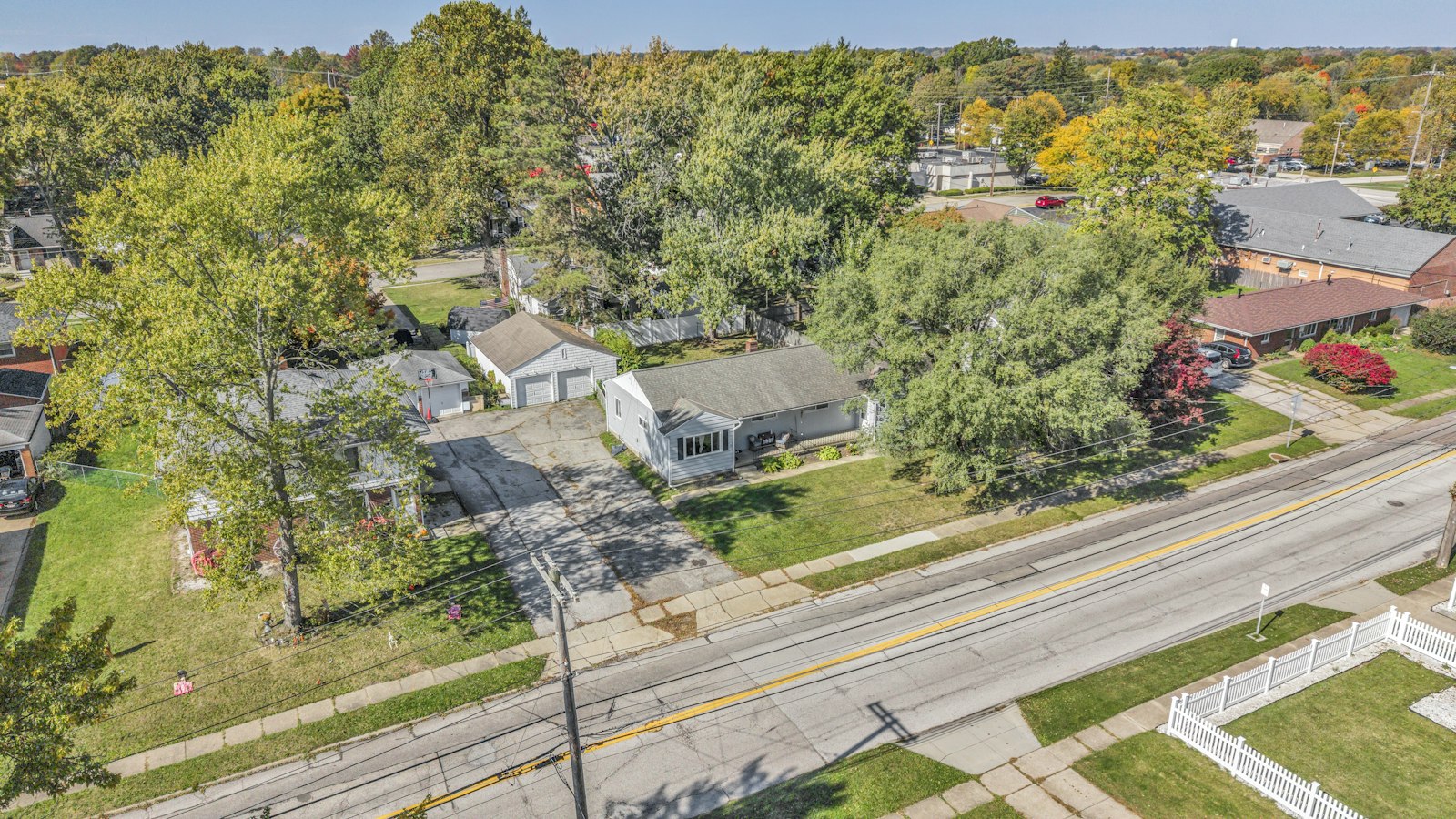
- Vacant and boarded houses nearby. One empty house on a block drags on everything around it. A figure the City of Cleveland has cited puts the hit at about 9.4% of value for properties within 500 feet of a vacant, tax-delinquent, foreclosed home. Akron has its own version of this problem, which we dug into in our Akron vacant and abandoned property statistics.
- How many neighbors own vs. rent. Long-time owners tend to mean mowed lawns, fixed porches and fewer surprises. It's not a rule. It's a pattern.
- Parking. Driveways and garages matter a lot more than people expect. A street where every curb is full every night reads very differently than one where cars are tucked away.
- Traffic and noise. A busy cut-through street or a house backing up to a commercial lot will always trade at a discount to the quiet side street two blocks over.
- Drainage. Low spots, streets that flood in heavy rain and lots that slope toward the house all show up later as wet basements. Buyers who've been burned look for this first.
- What's coming. New schools, new businesses and city investment push values up. A closed plant or an empty commercial strip does the opposite.
Why the same neighborhood can price so differently
Neighborhood averages hide a lot. In Goodyear Heights, where the median sits around $110,000, there are tree-lined blocks of original 1910s homes with long-time owners, and there are blocks a few streets away with several vacant houses. Same ZIP code, very different offers.
Kenmore is the same story. The median is around $91,000, but the blocks near new investment on Kenmore Boulevard and the new school are moving faster than the rest.
And across the city line, Cuyahoga Falls typical values are in the low-to-mid $200s for houses that look a lot like plenty of Akron houses. A lot of that gap is the street, the schools and the downtown, not the drywall.
What sellers can and can't change
The honest answer is most of the block is out of your hands. But a few things help:
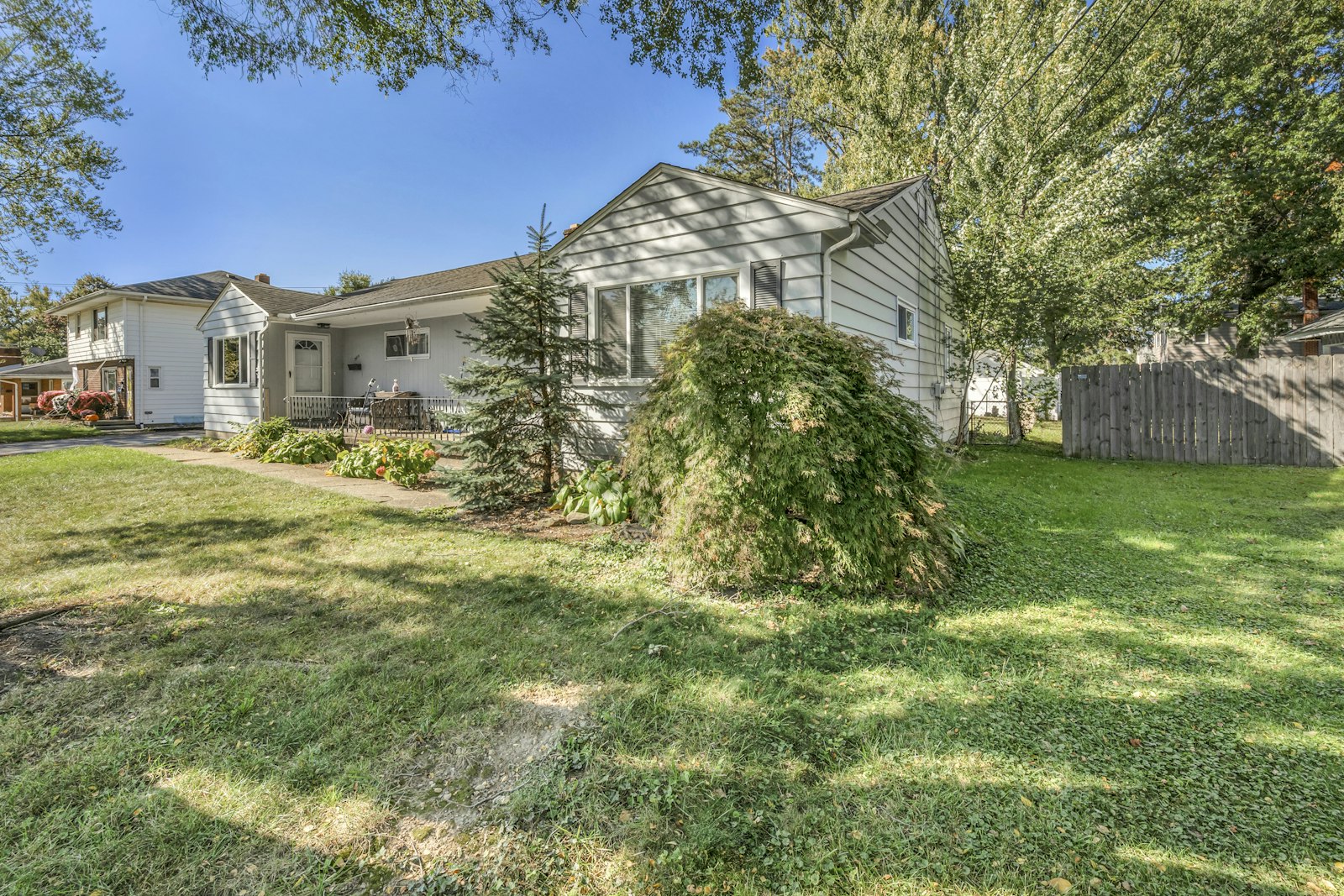
- Fix the first impression. Mowed grass, a clean porch and working outdoor lights make a buyer's first 30 seconds go better. Cheap, fast, worth it.
- Deal with water. If your lot drains toward the house, fix the gutters and downspouts before you sell. It's one of the few drainage problems that's cheap. Here's why clogged gutters cause wet basements.
- Know what's happening nearby. If there's new investment on your street or in your neighborhood, say so. Buyers don't always know.
- Don't over-renovate for the block. Putting a $60,000 kitchen in a house on a street where homes top out at $120,000 rarely pays you back.
How we look at it
When we make an offer, we price the house and the block, and we'll tell you how much of the number is each. If you want to see how the rest of the math works, here's how cash buyers calculate your offer. And if you're thinking about selling, here's how we buy houses in Akron and across Summit County, block included.